
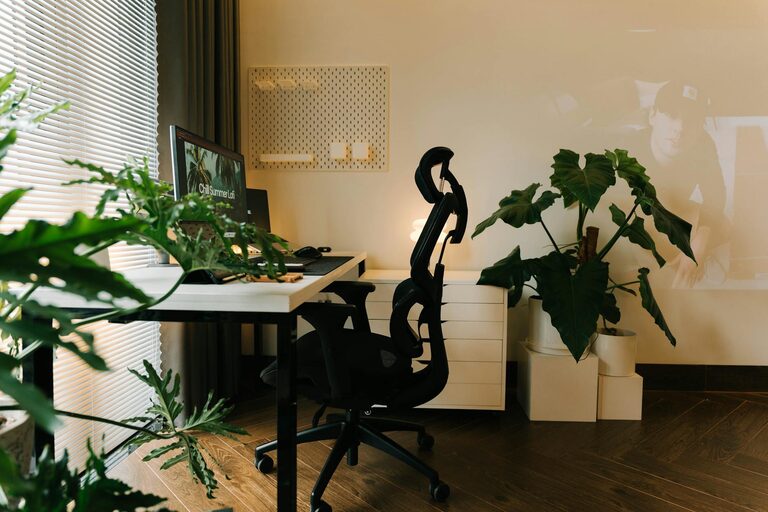
Creating a relaxing home office environment is essential for maintaining focus and reducing stress during your workday. Whether you’re working remotely full-time or just need a quiet corner for occasional tasks, setting up a space that feels calm and inviting can make a big difference to your productivity and well-being. Here are some simple and effective ways to create a home office that helps you stay relaxed and efficient.
Choose the Right Location
Finding the perfect spot in your home for your office is the first step. Ideally, pick a space with minimal distractions and good natural light. A corner of a quiet room, a nook by a window, or even a spare bedroom can work well.
– Natural light: Sunlight boosts mood and alertness. Position your desk near a window if possible.
– Away from noise: Choose a low-traffic area to reduce interruptions.
– Separate from living areas: If space allows, keep your office distinct from bedrooms or relaxation zones to create a boundary between work and home life.
Invest in Comfortable Furniture
Comfort makes a huge difference when you spend hours sitting or working at a desk.
– Ergonomic chair: Look for chairs that support your posture with adjustable height and lumbar support.
– Desk height: Ensure your desk suits your height to avoid strain in your neck, shoulders, and wrists.
– Additional comfort: Consider footrests or cushioned mats if you stand or need extra support.
Declutter and Organize
A tidy workspace reduces stress and helps your mind stay clear.
– Keep essentials only: Store frequently used items within reach and limit what’s on your desk surface.
– Use storage solutions: Bins, drawers, and shelves help keep paperwork and supplies organized.
– Cable management: Tidy cables using clips or sleeves to avoid tangles and visual clutter.
Play with Colors and Lighting
Colors and lighting can influence your mood and productivity.
– Soothing colors: Soft blues, greens, or neutrals help create a calming atmosphere.
– Task lighting: Use adjustable desk lamps to reduce eye strain during focused work.
– Ambient lighting: Incorporate warm, indirect light to avoid harsh brightness and encourage relaxation.
Bring in Natural Elements
Adding plants or natural decorations creates a peaceful workspace and improves air quality.
– Easy-care plants: Succulents, snake plants, or pothos require minimal maintenance and freshen up the room.
– Natural textures: Wood, stone, or woven baskets add warmth and texture.
– Nature visuals: Artwork or photos of nature can also foster calm and inspiration.
Personalize Your Space
Make your home office inviting by adding personal touches that inspire you without causing distractions.
– Photos and mementos: Choose a few meaningful items to keep on your desk or shelves.
– Inspirational quotes: Place motivational messages in frames or on a bulletin board.
– Comfort items: A cozy throw blanket, a favorite mug for tea, or a small diffuser with calming scents can enhance your comfort.
Manage Noise and Distractions
If your home is noisy, take simple steps to create a quieter workspace.
– Noise-cancelling headphones: These can help block out background sounds.
– White noise machines: Gentle sounds like rain or ocean waves can mask disruptive noises.
– Set clear boundaries: Communicate your work schedule to household members to minimize interruptions.
Establish a Routine and Workspace Rules
Creating guidelines around your workspace helps maintain a relaxing atmosphere and work-life balance.
– Start and stop time: Maintain regular hours to separate work from personal time.
– Break reminders: Schedule short breaks to stretch, hydrate, or relax your eyes.
– No eating or TV in the office: Keep the space dedicated to work to avoid distractions and mess.
Keep Technology Optimized
A smooth technology setup prevents frustration and helps you focus.
– Reliable internet: Ensure your connection is stable for meetings and tasks.
– Set up ergonomic peripherals: Keyboards and mice designed for comfort reduce strain.
– Minimize digital clutter: Organize files and close unnecessary tabs or apps.
Decorate with Minimalism in Mind
Less is often more when designing a relaxing environment.
– Avoid overcrowding: Keep decor simple to create a sense of calm.
– Use multi-functional furniture: Desks with built-in storage can reduce the need for extra pieces.
– Maintain a clean desk policy: End each day by tidying up to prepare for a fresh start.
—
By implementing these simple tips, your home office can become a peaceful and productive place to work. Remember, the goal is to create a space that feels good and supports your focus, so feel free to adjust as you discover what works best for you. A relaxed environment isn’t just about aesthetics—it’s about setting yourself up for success in your daily work routine.